
Powder Coating Pinholes: Causes and a 5-Step Troubleshooting Guide
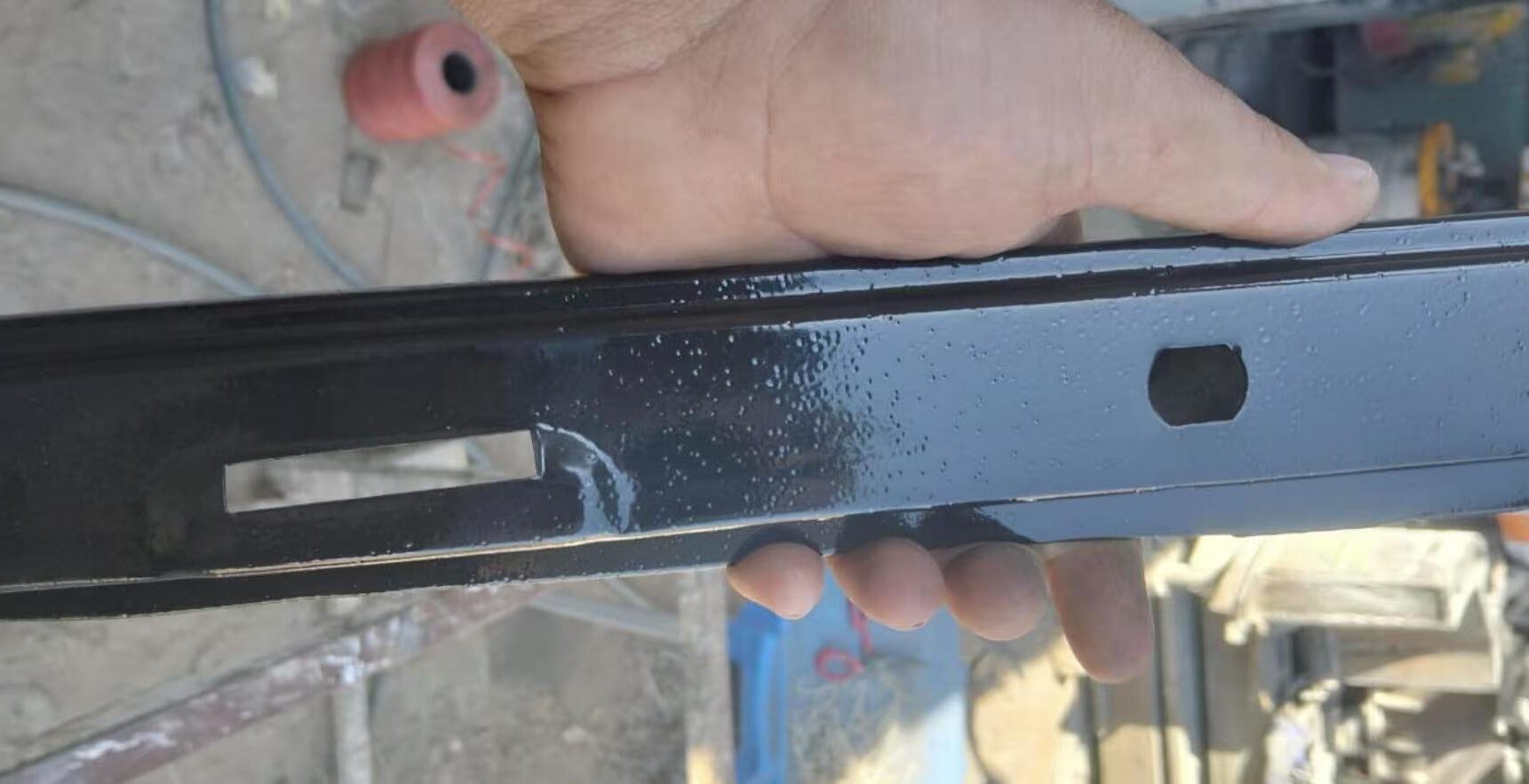
A recent customer inquiry began with a photo. The workpiece surface was covered in tiny craters. The message read: "Is this your high-gloss black powder? Why did you send us this?"
This situation is more common than many suppliers realize. Understanding the most common powder coating pinholes causes is the first step toward solving it. Their first instinct is to blame the powder. Sometimes they're right. Most of the time, they're not.
A recent case illustrates this. A distributor in the Middle East sent photos of a high-gloss black job covered in pinholes and craters. He was convinced the powder was defective. Our technical team guided him through a five-step troubleshooting process. The powder was fine. The problem was in his spray booth.
This guide covers the five most common powder coating pinholes causes — in the order they should be checked. For a deeper look at how humidity affects coating quality, see our guide on powder coating for hot and humid climates.
Step 1: Substrate and Pre-Treatment — A Less Common Cause of Powder Coating Pinholes
Before blaming the powder, confirm what's being coated and how it was prepared.
The first question is always about the substrate. Steel, aluminum, and galvanized steel each have different pre-treatment requirements. If the substrate is steel and the pre-treatment is standard phosphating, that's usually not the source of pinholes.
But pre-treatment problems do cause pinholes in specific cases:
- Oil or moisture on the part surface. If oil residue or water isn't fully removed before the part enters the oven, it vaporizes and pushes through the coating, creating craters.
- Incomplete drying after pre-treatment. Parts that come out of the pre-treatment line still wet, or with moisture trapped in seams and recesses, will outgas in the curing oven.
- Galvanized steel outgassing. Zinc-coated steel releases trapped gases when heated. Pre-baking at 200°C for 10 minutes before powder application solves this.
What to ask: "Was the part dry before it entered the booth? Any oil residue on the surface?"
Step 2: Spray Booth Contamination — The Most Common Cause of All Powder Coating Pinholes Causes
This is the most common cause of pinholes and craters — and the one most often overlooked.
In the Middle East case, the customer had just finished a run of texture powder and switched directly to high-gloss black. Texture powders contain additives — waxes, matting agents, special fillers — that don't fully cure into the film. These residues linger in the gun, the booth walls, the recovery system, and the filters.
When high-gloss powder is sprayed through the same equipment, those residues contaminate the fresh powder. This is the single most common of all powder coating pinholes causes.The result: pinholes, craters, and fisheyes across the entire surface.
The fix: When switching powder types — especially from texture or low-gloss to high-gloss — the following must be cleaned:
- The spray gun and nozzle
- The booth walls and floor
- The recovery system and cyclone
- The filter elements
- The feed hopper and hoses
A quick blow-down with compressed air is not enough. High-gloss finishes demand a thorough cleaning protocol.
What to ask: "What powder was sprayed before this job? Was the gun and booth fully cleaned between runs?"
Step 3: Compressed Air Moisture — A Leading Cause of Powder Coating Craters
Water in compressed air is the second most common cause of pinholes.
Compressed air carries moisture — it's a fact of physics. If the air dryer is undersized, the drain traps aren't working, or nobody empties them, water droplets travel with the powder stream and hit the part surface. Each droplet creates a pinhole or small crater when the coating cures.
This problem gets worse in humid climates, which is why coating shops in Southeast Asia and the Middle East see more of it during certain seasons.
The fix:
- Drain water traps at the start of every shift
- Verify the air dryer is functioning (dew point at or below -20°C)
- Check the air separator for residual moisture
- If moisture appears when blowing compressed air onto a clean rag, stop and fix the system
What to ask: "When was the air dryer last serviced? Were the traps drained today?"
Step 4: Powder Storage — How Moisture Causes Powder Coating Defects
Moisture absorbed by the powder itself causes pinholes and poor fluidization.
Powder coatings are hygroscopic — they absorb moisture from the air. Among powder coating pinholes causes, moisture absorption during storage is the most preventable. If storage conditions are poor (high humidity, opened boxes left uncovered, temperature fluctuations), the powder absorbs water. When that powder is sprayed and cured, the moisture vaporizes and creates pinholes from the inside out.
Signs that powder has absorbed moisture:
- Clumping in the hopper
- Poor fluidization (powder doesn't flow like a liquid)
- Surging or spitting from the gun
- Visible moisture when the box is opened
The fix:
- Store unopened powder below 25°C and 60% RH
- Seal opened boxes immediately in airtight containers
- Practice FIFO (First In, First Out) — don't leave old powder sitting for months
- Let cold powder acclimate to shop temperature before opening (prevents condensation)
What to ask: "Where is the powder stored? How long has this batch been open?"
Step 5: Curing Profile — When Trapped Gases Cause Powder Coating Pinholes
Too fast a temperature ramp can trap gases under the coating and cause pinholes.
If the oven temperature rises too quickly, the powder surface gels before the underlying layer has released its trapped air and moisture. Those gases push up through the semi-cured film, creating craters.
This is especially common with:
- Thick film builds (gases have farther to travel)
- Parts with complex geometry (internal corners trap air)
- Fast line speeds (less time for proper outgassing)
The fix:
- Check the oven's ramp rate. A gradual rise allows gases to escape before the surface gels.
- Verify metal temperature, not just oven air temperature. Use a thermocouple on the thickest part.
- For thick-film applications, consider a slightly slower ramp or a two-stage cure.
What to ask: "What's the oven ramp rate? Was the metal temperature verified with a thermocouple?"
Powder Coating Pinholes Causes: The Correct Diagnostic Order
When pinholes appear, don't jump straight to the powder. Work through the five most common powder coating pinholes causes in order:
| Step | Check | Most Common Issue |
|---|---|---|
| 1 | Substrate and pre-treatment | Oil, moisture, or incomplete drying |
| 2 | Spray booth and gun cleanliness | Contamination from previous powder |
| 3 | Compressed air system | Water in the air line |
| 4 | Powder storage conditions | Moisture absorbed by powder |
| 5 | Curing profile | Too fast ramp, trapped gases |
From TianMa's service experience, Step 2 (booth cleanliness) and Step 3 (compressed air) account for the majority of pinhole complaints — especially from distributors and job shops that switch powder types frequently.
The powder itself is rarely the culprit. But when a customer sends a photo of a defective part, "check your booth" isn't the first thing they want to hear. That's why the troubleshooting process matters: it shows the customer that the concern isn't being dismissed — it's being addressed with a clear diagnostic path.
For Distributors: Using This Powder Coating Pinholes Guide
Distributors selling powder coating to end users will find this troubleshooting framework worth keeping on hand. When a customer complains about surface defects, walking them through these five steps does two things:
- It solves the immediate problem faster
- It builds trust that the distributor is a technical partner, not just a supplier
Most pinhole complaints resolve within one or two conversations once the diagnostic process is clear. And customers who feel supported during a problem become the most loyal ones.
If the problem persists after all five steps are checked, then it's time to involve the powder manufacturer. A good supplier will ask the same diagnostic questions before replacing product — because replacing powder that isn't the problem doesn't solve anything.
Frequently Asked Questions
What are the most common powder coating pinholes causes?
The five most common causes are: spray booth contamination from previous powder, moisture in compressed air, oil or moisture on the substrate, moisture absorbed by the powder during storage, and too rapid a curing ramp that traps gases. Work through them in that order to find the root cause.
Why did my powder coating suddenly start getting craters?
Sudden changes in coating quality almost always trace to a process change: switching powder types without full booth cleaning, a compressed air dryer failing, a seasonal humidity increase, or a new batch of powder stored improperly. Compare what changed between the good run and the bad run.
Can spray booth contamination cause pinholes?
Yes — this is one of the most common causes. Texture powders and low-gloss powders leave residues in the gun, booth, and recovery system. When high-gloss powder is sprayed through the same equipment without thorough cleaning, those residues cause craters and pinholes.
How do I know if my powder has absorbed moisture?
Signs include clumping in the hopper, poor fluidization, surging from the gun, and visible moisture when opening the box. Store powder below 25°C and 60% RH, seal opened boxes in airtight containers, and use FIFO to prevent old stock from sitting too long.
Should I blame the powder first when I see defects?
No. Powder is rarely the root cause. Work through the process first — substrate, booth cleanliness, compressed air, storage, and curing profile. In most cases, the issue resolves without changing the powder.
About TianMa Powder Coating
TianMa Powder Coating was founded in 1992 and is headquartered in Yueqing, Zhejiang, China. The company specializes in powder coatings for electrical cabinets, switchgear enclosures, industrial equipment, and architectural materials. It operates under an ISO 9001-certified quality system with an in-house testing laboratory. TianMa serves distributors, job shops, and manufacturers across Southeast Asia, the Middle East, Africa, and Central Asia, and provides technical troubleshooting support for coating defects. For formulation recommendations or technical consultation, contact the export department.