
Powder Coating for Electrical Cabinets: Technical Guide for Switchgear Manufacturers
Powder Coating for Electrical Cabinets: Technical Guide for Switchgear Manufacturers
Introduction
If you manufacture switchgear or electrical cabinets, you already know the coating matters. What you may not know is that the difference between a coating that lasts 25 years and one that fails in five often comes down to a few technical decisions made before the powder ever reaches your line.
Electrical cabinets sit in factories, on rooftops, along highways, and in coastal substations — exposed to heat, cold, humidity, salt-laden air, and chemical fumes. A failed coating doesn't just look bad — it can compromise electrical insulation, reduce IP protection ratings, and shorten equipment lifespan by years.
The key factor: electrical cabinet coatings must satisfy three demands simultaneously — corrosion resistance, electrical insulation, and mechanical durability — while meeting international standards such as IEC 61439-1/2 for low-voltage switchgear assemblies.
This guide covers the decisions that matter — from powder chemistry and surface preparation to curing parameters and defect prevention — drawing on over 30 years of experience manufacturing powder coating for electrical cabinets and switchgear.
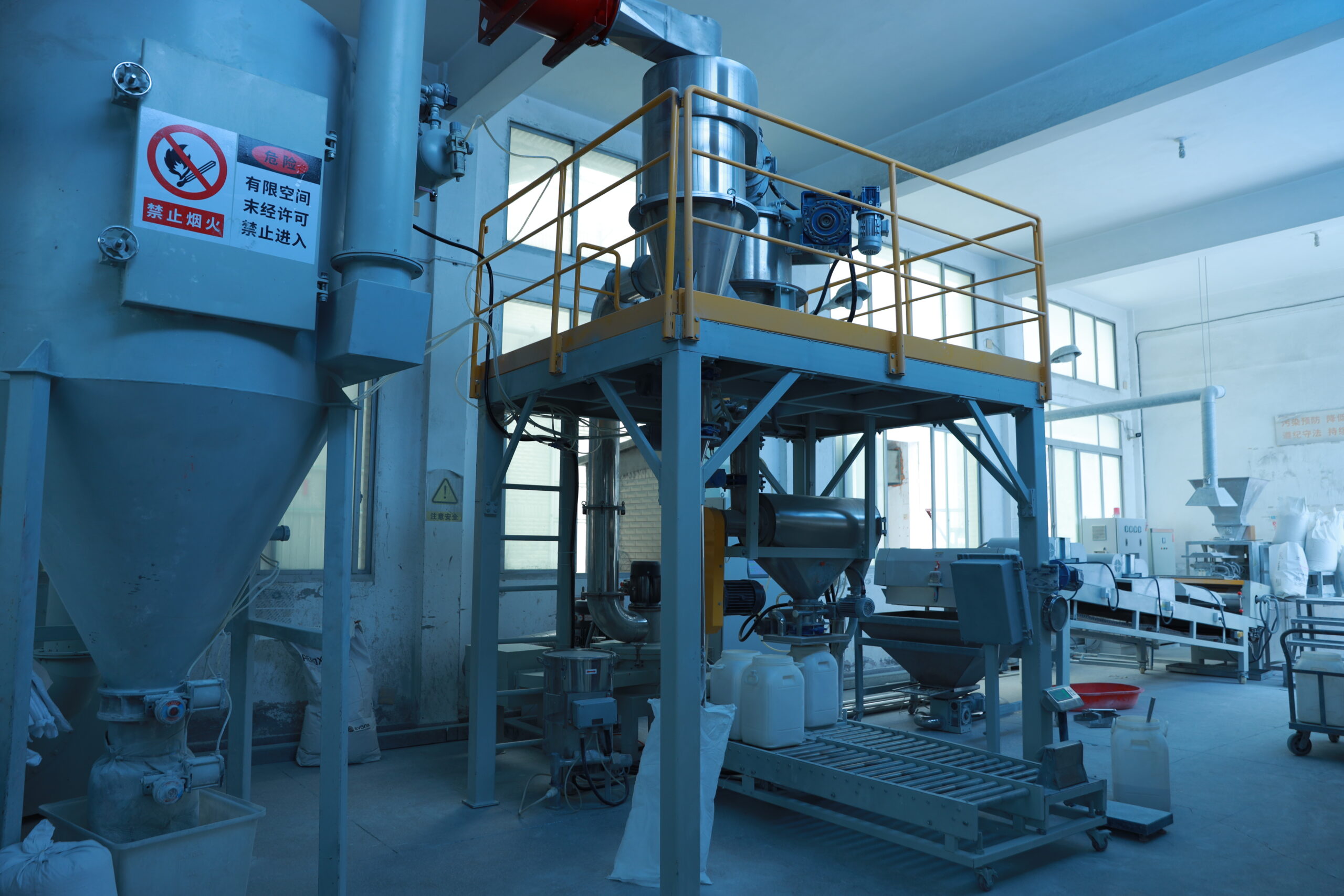
Key Technical Requirements for Electrical Cabinet Powder Coating
Electrical Insulation Properties
The powder coating on an electrical cabinet must act as a reliable dielectric barrier. Epoxy-polyester hybrid powders — commonly used for indoor cabinets — typically achieve dielectric strength values well above the thresholds required by IEC 61439-1. Coating continuity is the critical factor: pinholes, holidays, or excessively thin spots can create conductive paths that compromise the insulation barrier.
Corrosion Resistance and Salt Spray Requirements
Electrical cabinets are frequently installed in corrosive environments: coastal substations, chemical plants, underground vaults, and tropical outdoor locations. The industry baseline for salt spray resistance is 500 hours per ISO 9227 (corrosion category C3). For more demanding environments — coastal, industrial, or tropical — specifications commonly call for 1,000 hours or more (categories C4 to C5).
When specifying powder coating for electrical cabinets, always match the corrosion category to the actual installation environment. Over-specifying adds unnecessary cost; under-specifying guarantees premature failure.
Mechanical Performance
Switchgear enclosures face physical abuse during transport, installation, and service. Key mechanical benchmarks include:
- Impact resistance: Typically 50 kg·cm (ISO 6272)
- Cross-hatch adhesion: Grade 0 or 1 (ISO 2409)
- Pencil hardness: 2H minimum for standard indoor formulations
These values are achievable with properly formulated and cured powder coatings, but degrade rapidly if curing is incomplete or pre-treatment is inadequate.
How to Choose the Right Powder Type for Electrical Cabinets
Indoor Powder: Epoxy-Polyester Hybrid
For cabinets installed indoors — motor control centers, distribution boards, factory floor enclosures — epoxy-polyester hybrid powders are the workhorse choice. They offer superior adhesion, excellent chemical resistance, good edge coverage, and lower cost compared to pure polyester formulations.
The limitation: they are not UV-stable. Prolonged sunlight exposure causes chalking and gloss loss, making them unsuitable for outdoor applications. For the ubiquitous RAL 7035 (light grey) and RAL 7032 (grey) indoor enclosures, hybrid powders deliver reliable performance at the right price.
Outdoor Powder: Polyester for UV and Weather Resistance
When cabinets live outdoors — pad-mounted transformers, street cabinet enclosures, rooftop switchgear — polyester powders are mandatory. Standard outdoor polyester typically guarantees 2–3 years without significant colour fading in temperate climates. This falls short for cabinets installed in high-UV, high-temperature environments like the Middle East, Southeast Asia, or Africa.
10-Year Non-Fade Outdoor Powder
What sets TianMa apart is an advanced outdoor polyester formulation that guarantees 10 years without significant colour fading — more than triple the performance of standard outdoor powders. This is achieved through premium UV-stable pigments selected for tropical conditions, optimised resin-to-curing agent ratios, and accelerated weathering validation in our in-house laboratory.
For switchgear manufacturers exporting to Thailand, the Middle East, or African markets, this extended colour retention translates directly to reduced maintenance costs and improved customer satisfaction. Our TropiCoat™ solutions for hot and humid climates are specifically engineered for these demanding environments.
Powder Coating Process for Switchgear Enclosures
Surface Pre-Treatment: The Foundation of Performance
80% of coating failures originate at the pre-treatment stage, not in the powder itself. For electrical cabinet steel substrates, two systems dominate:
- Iron phosphate: Lighter coating weight, suitable for indoor cabinets, provides good adhesion and moderate corrosion resistance
- Zinc phosphate: Significantly better corrosion resistance, recommended for outdoor cabinets and C4/C5 environments
- Silane pre-treatment: A newer, environmentally friendlier alternative with excellent adhesion promotion and no sludge
The key factor is consistency: the pre-treatment line must deliver uniform conversion coating across all surfaces before powder application begins.
Electrostatic Spray Parameters
Complex cabinet geometries — with internal baffles, compartment dividers, and deep recesses — create Faraday cage effects that repel charged powder. Experienced operators use multiple passes, adjusted gun angles, and sometimes tribo-charging guns to achieve full coverage.
Table 1: Recommended Electrostatic Spray Parameters for Electrical Cabinets
表格
| Parameter | Recommended Range |
|---|---|
| Voltage | 40–80 kV |
| Gun-to-substrate distance | 150–300 mm |
| Powder output | 150–250 g/min |
| Atomising air | 2.0–4.0 bar |
| Tribo vs. Corona | Corona for flat panels; tribo for recessed areas |
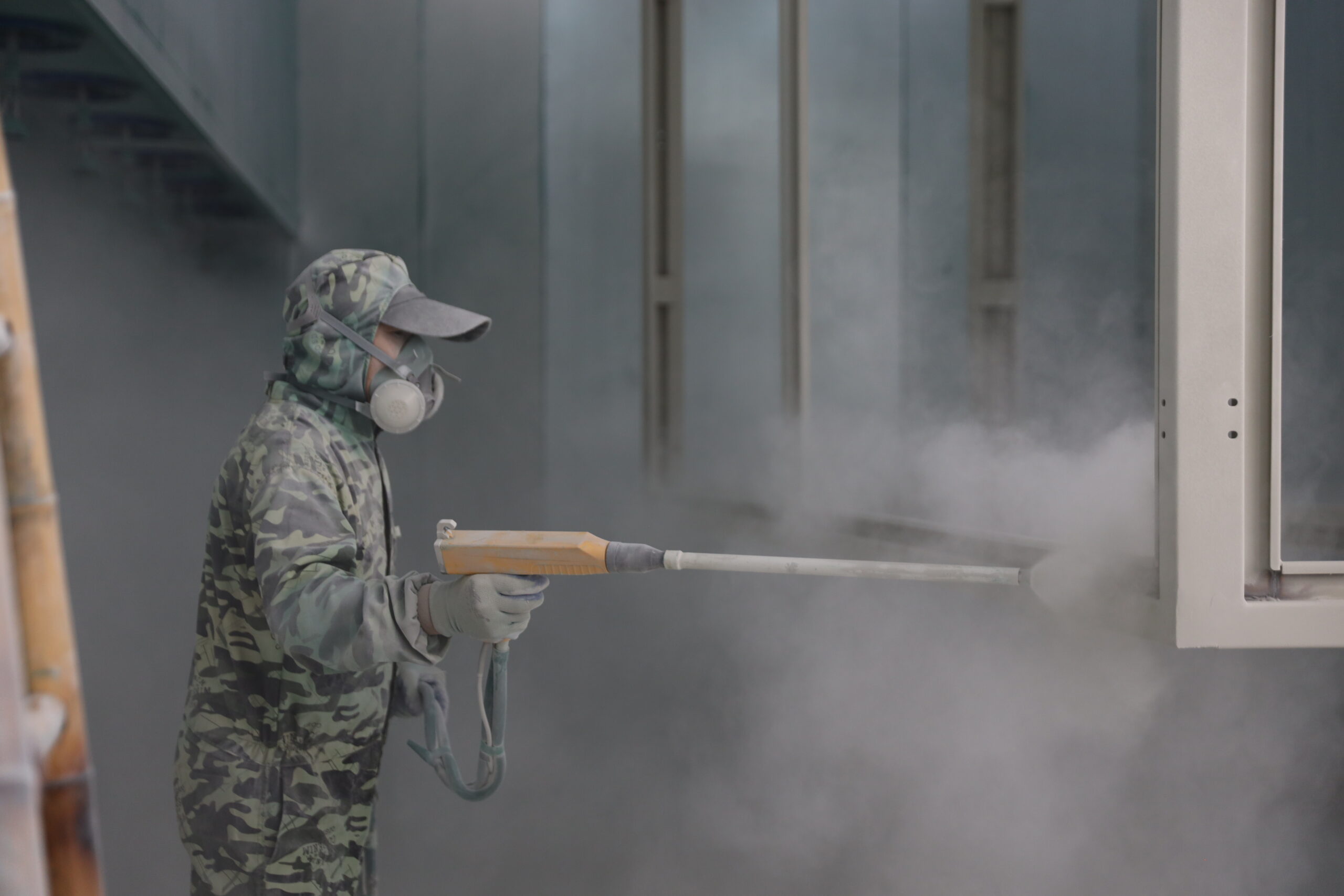
Curing Conditions
The standard curing specification: 190°C / 15 minutes (metal temperature). The acceptable range is 180–200°C, with time adjusted for ambient conditions. Always measure metal temperature, not oven air temperature — a thermocouple on the thickest section of the cabinet ensures complete cure. Under-curing leaves the coating soft with poor resistance; over-curing causes yellowing, especially in light colours like RAL 7035.
Table 2: Powder Coating Thickness Targets by Application
表格
| Application | Target Thickness | Standard Reference |
|---|---|---|
| Indoor cabinets | ≥ 60 μm | ISO 12944 C2–C3 |
| Outdoor cabinets | ≥ 80 μm | ISO 12944 C4 |
| Heavy-duty / coastal | 100–120 μm | ISO 12944 C5 |
Common Coating Defects and How to Prevent Them
Orange Peel
Appearance: Wavy, textured surface resembling the skin of an orange.
Root causes: Low gun voltage, excessive powder output, insufficient atomising air, or curing temperature too high.
Solution: Increase voltage to 60–80 kV, reduce powder output, increase atomising air pressure, and verify oven temperature calibration.
Pinholes
Appearance: Small circular craters in the cured film, caused by trapped gas or moisture.
Root causes: Moisture in compressed air, excessive film thickness, or outgassing from galvanised substrates.
Solution: Install air dryers (dew point ≤ -20°C), control film thickness, and pre-bake galvanised parts at 200°C for 10 minutes before coating.
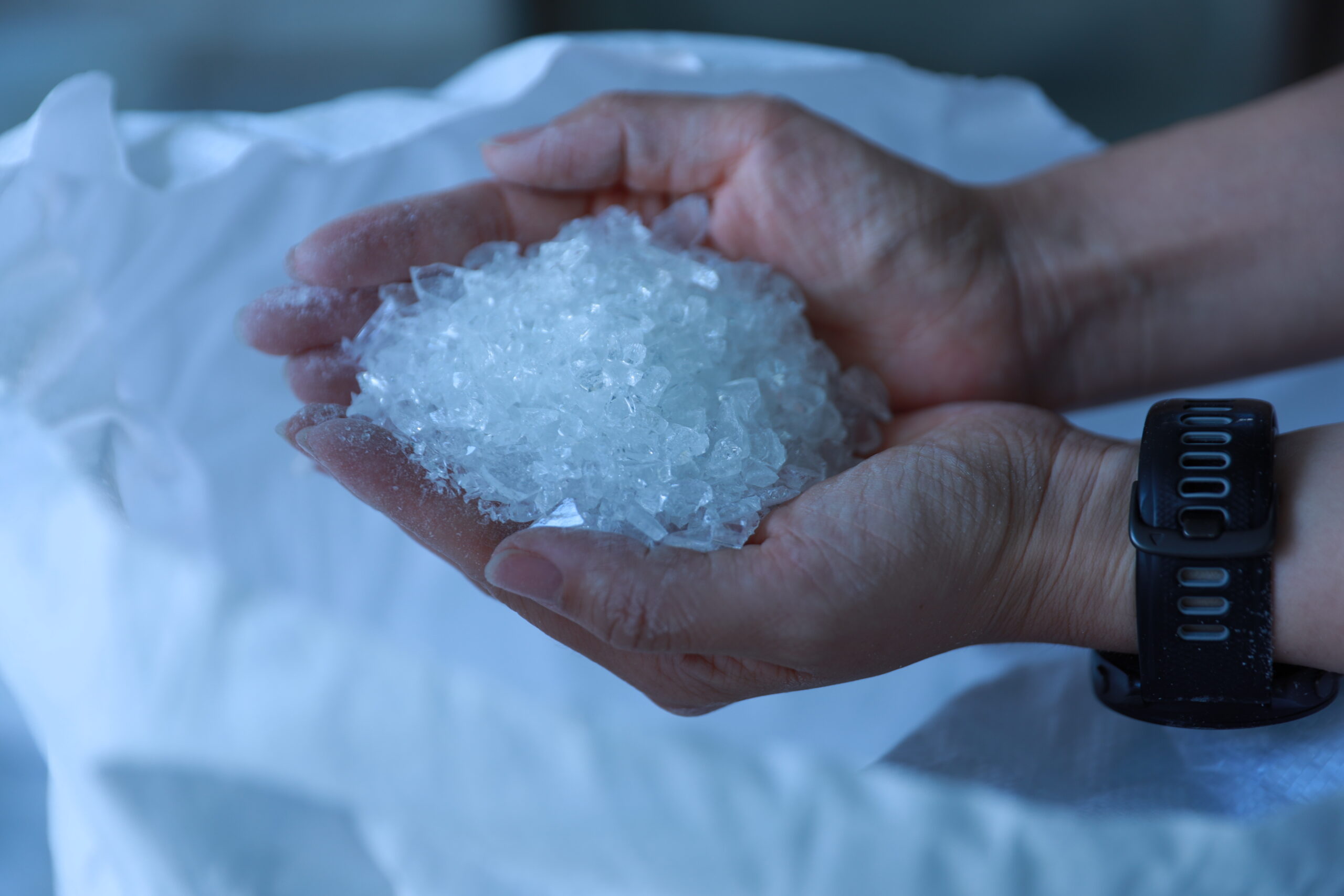
Why Switchgear Manufacturers Choose TianMa Powder Coating
Founded in 1992 in Yueqing, Zhejiang Province — the heart of China's electrical equipment industry — TianMa has spent over three decades manufacturing powder coatings specifically for electrical cabinets and switchgear enclosures.
ISO 9001 Certified Quality System: Every production batch follows documented quality procedures, from raw material inspection to final colour verification — giving switchgear manufacturers the documentation needed for IEC 61439 compliance.
In-House Testing Laboratory: Equipped with salt spray cabinet (ISO 9227), QUV accelerated weathering tester, and spectrophotometer for colour measurement. This allows us to validate formulations for specific projects before full production begins.
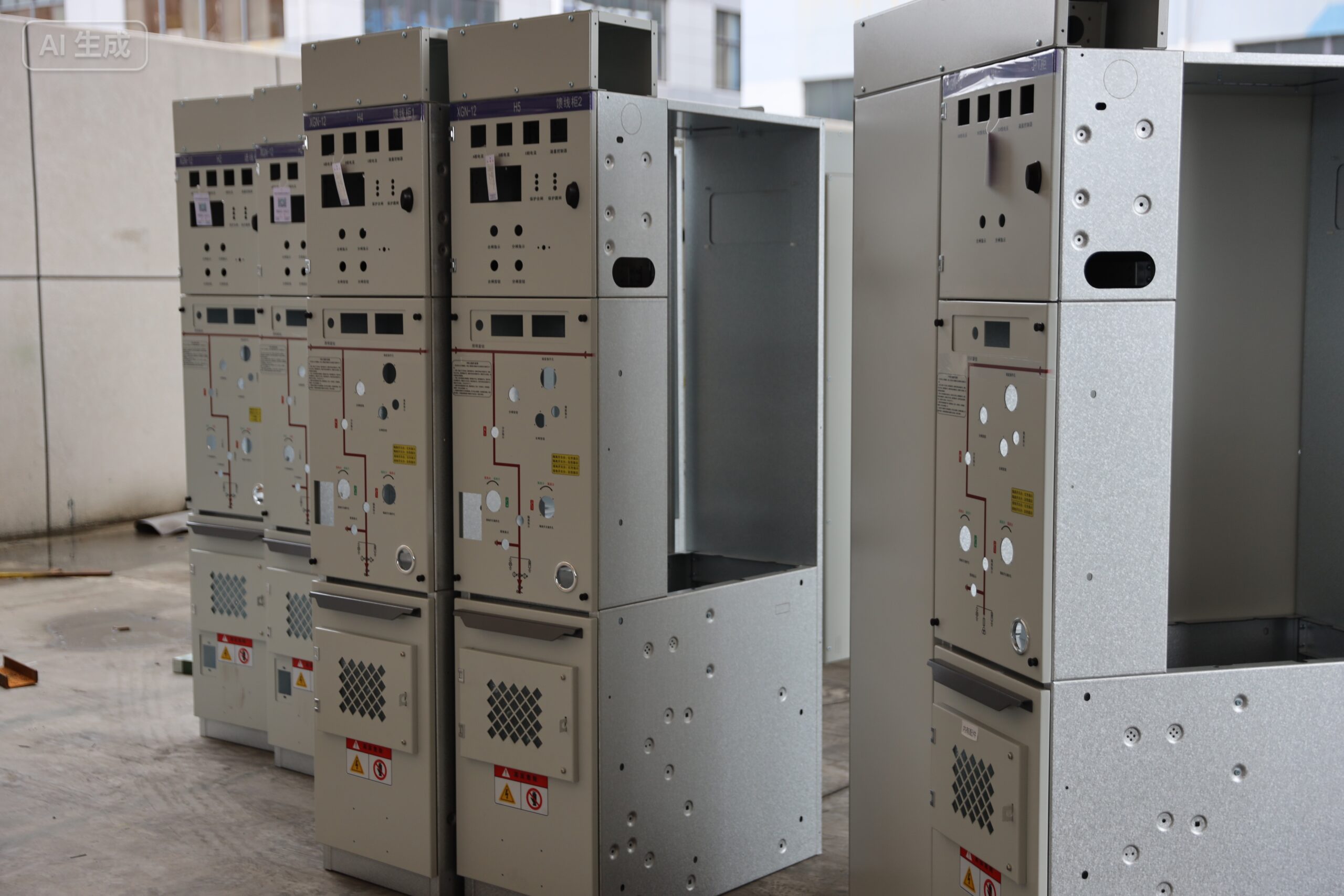
10-Year Non-Fade Outdoor Powder: Our advanced polyester outdoor powder more than triples the colour-retention guarantee of standard formulations — a tested advantage for cabinet manufacturers serving high-UV markets.
Global Export Experience: TianMa powders protect electrical cabinets across Thailand, Russia, Africa, and the Middle East. We provide English-language technical data sheets and compliance documentation that streamline customs clearance.
When choosing the right powder coating supplier, the differentiator isn't price — it's whether the supplier truly understands your product, your standards, and your markets.
Key Takeaways
- Match powder chemistry to the environment: Epoxy-polyester hybrid for indoor, polyester for outdoor, premium polyester (10-year non-fade) for high-UV climates.
- Invest in pre-treatment and curing: Proper phosphating or silane treatment plus controlled curing (190°C/15min at metal temperature) are non-negotiable for long-term performance.
- Choose a specialist: A supplier with dedicated electrical cabinet experience, backed by an in-house laboratory, delivers measurable advantages over general-purpose alternatives.
If you are sourcing powder coating for electrical cabinets or switchgear enclosures, contact our team to discuss your specific requirements. We provide free technical consultation, sample panels, and formulation recommendations tailored to your installation environment.
FAQ
Q1: What is the best powder coating for outdoor electrical cabinets?
For outdoor electrical cabinets, polyester powder coating is the recommended choice because it provides UV resistance that epoxy-based powders cannot. Standard outdoor polyester typically maintains colour for 2–3 years, while premium formulations can guarantee 10 years without significant fading. Always pair outdoor powder with zinc phosphate pre-treatment and a minimum coating thickness of 80 μm.
Q2: How many hours of salt spray does electrical cabinet coating need?
The minimum industry baseline is 500 hours per ISO 9227, suitable for moderate environments (ISO 12944 category C3). For coastal, industrial, or tropical installations, specifications should call for 1,000 hours or more (categories C4–C5). Verify that the powder manufacturer can provide actual test reports, not just theoretical values.
Q3: What is the standard curing time and temperature for electrical cabinet powder coating?
The standard curing condition is 190°C for 15 minutes at metal temperature. The acceptable range is 180–200°C, with time adjusted for ambient conditions: shorter in hot weather to avoid over-cure yellowing, longer in cold weather to ensure complete cross-linking. Always measure metal temperature, not oven air temperature.
Q4: What RAL colours are most common for electrical cabinets?
RAL 7035 (light grey) and RAL 7032 (grey) are the most widely used colours for electrical cabinets and switchgear enclosures globally. Full RAL, Pantone, and custom colour matching is available, with spectrophotometric verification (ΔE ≤ 1.0) on every batch to ensure colour consistency across production runs.
Q5: Does powder coating thickness affect IP rating of an electrical enclosure?
Powder coating does not directly determine the IP rating (defined by mechanical design and gasket sealing per IEC 60529). However, coating thickness variations can affect gasket seating surfaces. Uniform thickness (60–80 μm indoor, 80–120 μm outdoor) and attention to edge coverage are essential for maintaining IP integrity.
Q6: How much does powder coating for electrical cabinets cost?
Pricing depends on powder type (epoxy-polyester hybrid vs. outdoor polyester), order volume, colour, and performance requirements. For a project-specific quotation with technical recommendations, contact our team with your specifications — we will recommend the most cost-effective formulation for your application environment.