
Powder Coating Market Trends 2026: Why Developing Markets Are Driving Global Growth
Discover the key powder coating market trends shaping 2026. From Southeast Asia’s manufacturing boom to Africa’s infrastructure surge, learn why developing economies are the industry’s new growth engine — and what buyers need to know.
Introduction
If you’re sourcing, applying, or selling powder coatings in Southeast Asia, the Middle East, or Africa right now, you’ve probably felt it: the market is moving faster than it used to. Demand is growing — but not in the way it grew five or ten years ago. The types of projects are different. The quality expectations are higher. And the supply chain pressures are real.
These are not just anecdotes — they reflect the key powder coating market trends 2026 is already making visible.
The numbers behind the powder coating market trends 2026 confirm this on-the-ground impression. Industry reports project the Asia-Pacific powder coating market to grow from approximately USD 9.5 billion in 2025 to over USD 13.5 billion by 2030, at a CAGR of 6.8%. But the number that matters more: the fastest growth within that figure is coming from Vietnam, Thailand, Indonesia, the Philippines, and a new wave of demand from Africa and the Middle East.
This shift is at the heart of the broader powder coating industry trends we’re tracking — not just bigger volumes, but different demand patterns and higher performance requirements.
This article breaks down why this is happening, what it means for buyers on the ground, and how to make smarter sourcing decisions in a market that’s changing faster than most people realize.
1. Manufacturing Relocation: Where Factories Go, Powder Coating Follows
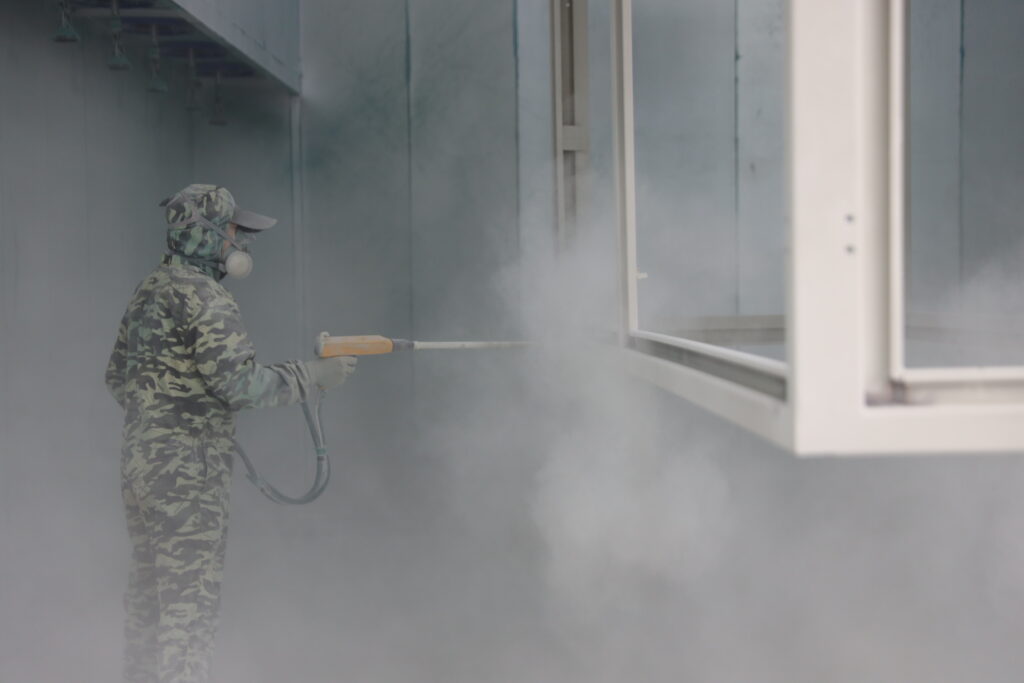
We’ve been watching this shift from our factory floor in Zhejiang for over 30 years. Orders that once came from European and American buyers are increasingly coming from industrial parks in Bac Ninh, Binh Duong, and Chonburi. The global supply chain is being rewired in real time, and powder coating demand is following the factory.
This relocation of manufacturing is one of the most structural powder coating market trends 2026 has to offer — it’s not a temporary fluctuation.
The Scale of the Shift — And What It Looks Like on the Ground
The macro numbers are striking, but the street-level reality is more telling.
- Vietnam attracted over USD 36 billion in FDI in 2023, with manufacturing growing roughly 8% in 2024. Walk into any major industrial zone — VSIP, Amata, Long Hau — and you’ll see new coating lines being installed. We hear from Vietnamese clients that lead times for new spray booth installations have stretched from weeks to months simply because demand is so high.
- Thailand produced over 1.8 million vehicles in 2023 and remains Southeast Asia’s automotive anchor. The Board of Investment approved over THB 800 billion in applications in 2024, with a clear tilt toward EV components. EV parts need coatings that handle higher operating temperatures than traditional combustion-engine components — that’s a specific, growing demand signal.
- Indonesia has manufacturing at roughly 20% of GDP. The government’s “Making Indonesia 4.0” roadmap is prioritizing food & beverage, automotive, electronics, and chemicals — all sectors with substantial metal coating needs. A distributor in Jakarta told us recently that demand for food-grade and chemical-resistant powders has doubled in the past two years as new factories come online.
Key Insight: Three years ago, many of our new Southeast Asian inquiries were price-first. Today, the same buyers are asking for salt spray test data, batch consistency reports, and weathering certifications. The market is maturing, and fast.
Which Industries Are Moving — and What Powder They Actually Need
Not all relocation creates the same coating demand. Here’s what we’re seeing across the sectors that matter most:
| Sector | Where It’s Growing | What Buyers Are Asking For |
|---|---|---|
| Automotive & EV components | Thailand, Vietnam, Indonesia | Heat resistance, brake fluid resistance, corrosion protection |
| Electronics & appliance housings | Vietnam, Philippines | Smooth finishes, batch-to-batch color consistency |
| Furniture & architectural hardware | Vietnam, Indonesia | Matte and texture finishes, scratch resistance, competitive pricing |
The common thread: buyers are moving from “what’s your cheapest powder?” to “can your powder meet this specification sheet?” That’s a structural change, not a temporary one.
2. Infrastructure Investment: The Projects Are Bigger — and the Specs Are Tougher
If you’ve been following construction news from the Middle East or Africa, you already know the scale is unprecedented. But from a powder coating perspective, the shift is not just about volume — it’s about performance requirements that were rare in these markets a decade ago.
Middle East: Where the Specs Meet the Desert
Saudi Arabia’s Vision 2030 is the headline, but the trend spans the entire GCC. Active construction projects in the region exceeded USD 2.5 trillion in 2024 (MEED Projects data). Three examples that matter for powder coating buyers:
- NEOM (USD 500 billion): Architectural aluminum consumption for THE LINE alone will be staggering. Specs require coatings that withstand 50°C+ surface temperatures and intense UV exposure — performance levels that eliminate standard polyester powders from consideration.
- Red Sea Project (28,000 km² coastal development): Everything here faces salt-laden air. Coating specs are routinely asking for 1,000+ hours of neutral salt spray resistance (ISO 9227)as a baseline, not a premium option.
- Diriyah Gate (USD 63 billion): Heritage aesthetics combined with modern durability standards — a niche that demands custom color matching alongside extreme weather resistance.
A project consultant we spoke with in Dubai put it simply: “Five years ago, I could specify a standard architectural powder and move on. Now, the client’s technical team asks for weathering data before the first color sample.”
Africa: Building from a Different Starting Point
Africa’s infrastructure gap is well-documented — the African Development Bank estimates a USD 68-108 billion annual financing gap — but what’s changing is the pace of actual project execution.
- Housing: Kenya’s Affordable Housing Program (500,000 units target). Nigeria’s housing deficit (estimated 20 million units). Every single unit needs coated roofing sheets, window frames, and hardware. This is high-volume, cost-sensitive demand — but with increasing quality expectations as buyers learn from early project failures.
- Transportation: Ethiopia’s Addis Ababa-Djibouti railway, Kenya’s SGR, and bridge projects across West Africa. These consume coated structural steel and safety barriers — often in high-UV, high-temperature environments.
- Industrial Parks: Ethiopia, Rwanda, and Ghana are building dedicated manufacturing zones. Each park is both a construction project that consumes powder coating, and a future source of ongoing manufacturing demand.
Key Insight: Infrastructure specs in these markets are increasingly modeled on European or Gulf standards. A bridge in Kenya today may have coating requirements similar to a bridge in Oman — and local suppliers who can’t meet those specs are getting passed over.
3. Environmental Regulation: The Transition Is Happening Faster Than Expected
Here’s something we didn’t predict ten years ago: the shift from liquid to powder coating is moving faster in some developing markets than it did in Europe.
The European Roadmap — Compressed
Europe’s liquid-to-powder transition took roughly 30 years (1990s to 2020s), driven by the VOC Solvents Emissions Directive. Powder coating’s share of the European industrial market grew from about 15% to over 25%. The lesson: regulation changes the buyer’s cost calculation more than any marketing campaign ever could.
But emerging markets aren’t taking 30 years. They’re adopting similar standards in a fraction of the time, often modeled directly on European or American frameworks.
What’s Happening in Your Markets
| Country | Recent Regulatory Movement |
|---|---|
| Thailand | Industrial VOC emission standards active from 2022, impacting automotive and general industry |
| Indonesia | Ministry of Environment tightening industrial air emission rules in manufacturing zones |
| Vietnam | QCVN 19:2009 under revision — stricter VOC limits expected |
| Philippines | Clean Air Act requiring best available control technology for industrial VOC emissions |
A factory owner in Rayong, Thailand, told us last year: “I didn’t switch to powder because I wanted to be green. I switched because my solvent waste disposal costs tripled, and the inspector started coming twice a year.”
Key Insight: For export-oriented manufacturers in these markets, the calculation is even simpler: if your end customer is in the EU, US, or Japan, using powder coating removes a compliance headache from your entire supply chain. That’s a selling point that’s getting more powerful every year.
What This Means for Buyers: Practical Advice from the Field
Before diving into specific recommendations, it’s worth stepping back to see how the powder coating market trends 2026 we’ve outlined translate into everyday sourcing decisions. These trends are real, but what should a buyer actually do differently?
1. Demand Climate-Specific Data, Not Just a Generic Data Sheet
A powder that passes every test in a German lab can fail in coastal Thailand within 12 months. We’ve seen it happen — a Vietnamese aluminum fabricator using a European-sourced powder that had excellent lab reports but couldn’t handle the combination of monsoon humidity and un-air-conditioned warehouse storage. The coating developed white spots before the product even shipped.
What to ask for:
- Salt spray data (ISO 9227) relevant to your actual operating environment
- UV weathering results (QUV-B or Xenon) for outdoor applications
- Evidence of field testing in similar climates, not just lab certification
2. Calculate Cost Per Square Meter, Not Cost Per Kilogram
A powder that costs 10% more per kilogram but increases your first-pass yield by 15% is almost always the better financial decision.
We’ve walked through this calculation with dozens of clients. One Indonesian furniture manufacturer was laser-focused on powder price until we showed them that a slightly higher-cost formulation — with better transfer efficiency and fewer rejects — was saving them money within the first month. They switched. They haven’t switched back.
Ask your supplier to help you run the total-cost numbers. Be cautious of suppliers who won’t — or can’t — do this.
3. Choose a Supplier Who Understands Local Regulations
As VOC rules tighten, your powder supplier’s regulatory knowledge can save you from costly surprises. We’ve had clients call us after receiving compliance notices they didn’t know how to handle. The right supplier should be able to advise on:
- Whether your current powder meets emerging local standards
- What documentation you need for export compliance
- Which certifications (ISO, Qualicoat, AAMA) your target markets require
4. Build a Relationship with a Manufacturer, Not Just a Catalog
A trading company can give you a price. A manufacturer can tell you why one batch behaves differently from another — and fix it when something goes wrong.
In our experience, buyers who work directly with manufacturers get faster technical support, more consistent quality, and greater flexibility for custom requirements. In a market as dynamic as Southeast Asia or the Middle East right now, that responsiveness matters.
Conclusion: The Opportunity Is Real — But So Are the Expectations
If there is one overarching narrative in the powder coating market trends 2026, it is this: The powder coating industry’s center of gravity is shifting, and the markets driving today’s growth — Vietnam, Thailand, Indonesia, Saudi Arabia, Kenya, Kazakhstan — are no longer peripheral. They are the main event.
For manufacturers and applicators in these markets, the opportunity is genuine. But so are the expectations. Buyers are more informed. Specs are tighter. And the suppliers who will win are those who treat these markets not as an afterthought, but as their primary focus.
The next decade will belong to companies that understand this.
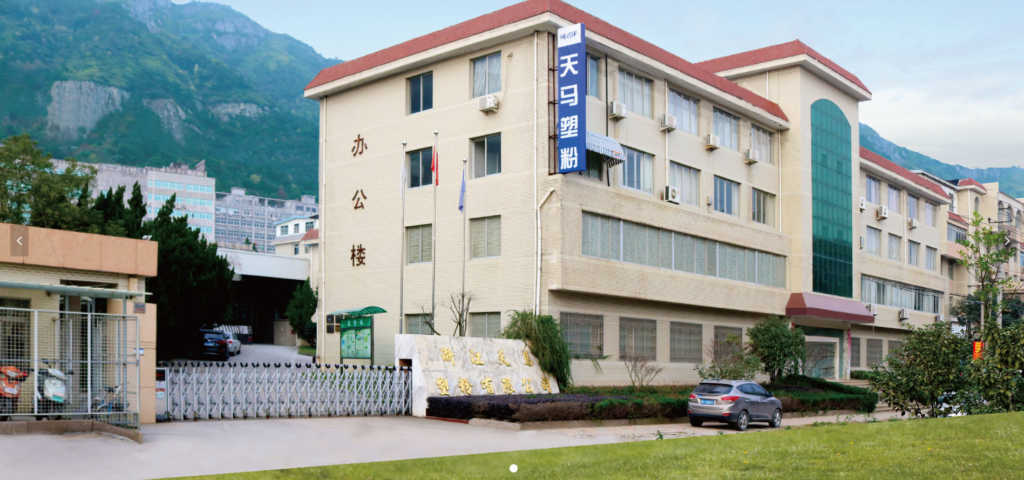
About Tianma Powder Coating
Tianma Powder Coating was founded in 1992 and is headquartered in Yueqing, Zhejiang, China. The company specializes in the research, development, production, and distribution of powder coatings for industrial equipment, architectural materials, and automotive applications.
The company operates under an ISO 9001-certified quality management system and maintains an in-house weathering and testing laboratory. Its product portfolio includes climate-specific formulations developed for hot and humid environments, as well as for extreme cold and high-thermal-swing conditions.
Tianma Powder Coating serves customers in Southeast Asia, the Middle East, Africa, and Central Asia. For technical documentation, sample inquiries, or product specifications, contact the company’s export department.
